
Morocco Food Tour: Taste Morocco with a Local
Morocco food tour with local guides: Marrakech street food, Fes markets, a tagine cooking class and meals with Berber families. Private or small group.
Morocco food tour
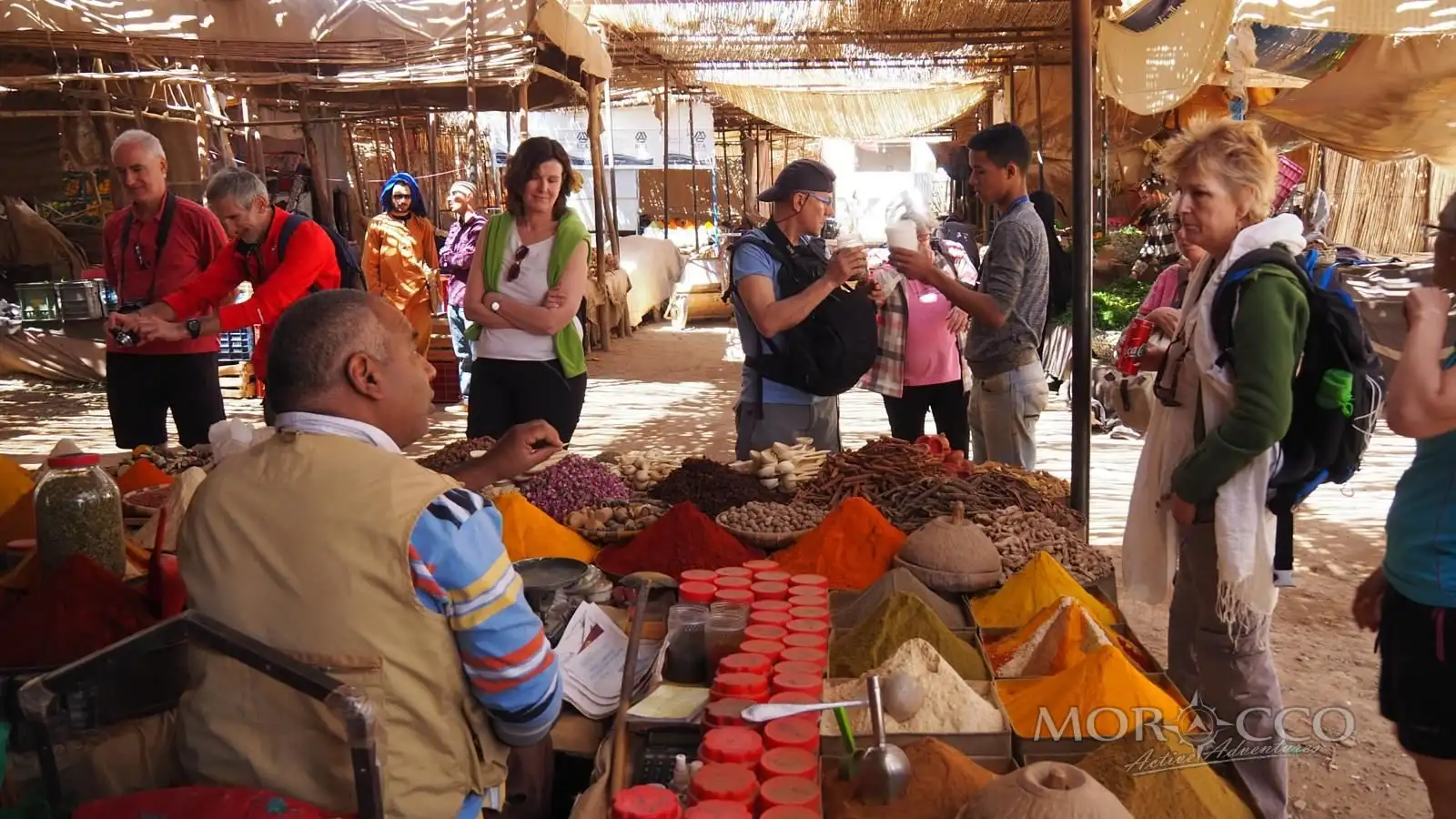
A Morocco food tour is the quickest way into the country’s heart. With one of our local guides you taste fresh msemen pancakes at breakfast, follow the smell of cumin through the spice souk, try harira and grilled meat at the stalls of Jemaa el-Fna, and learn why a tagine needs time. We take you where locals actually eat, not where the menus are in five languages.
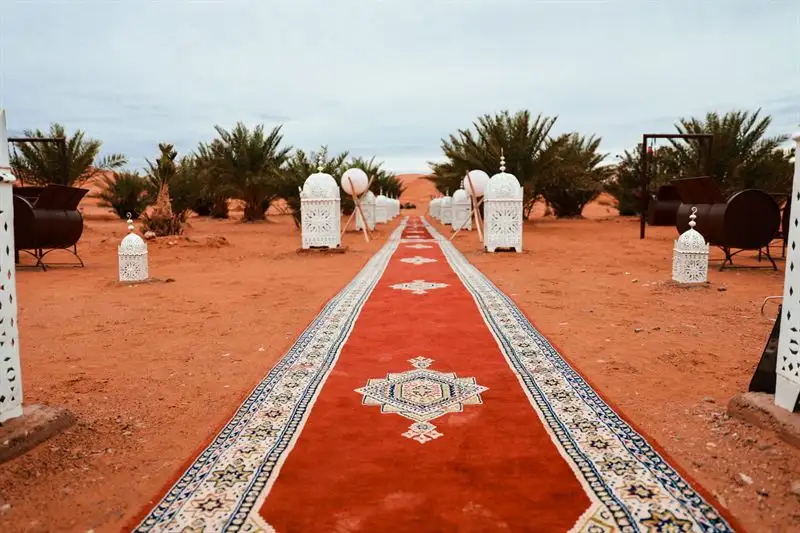
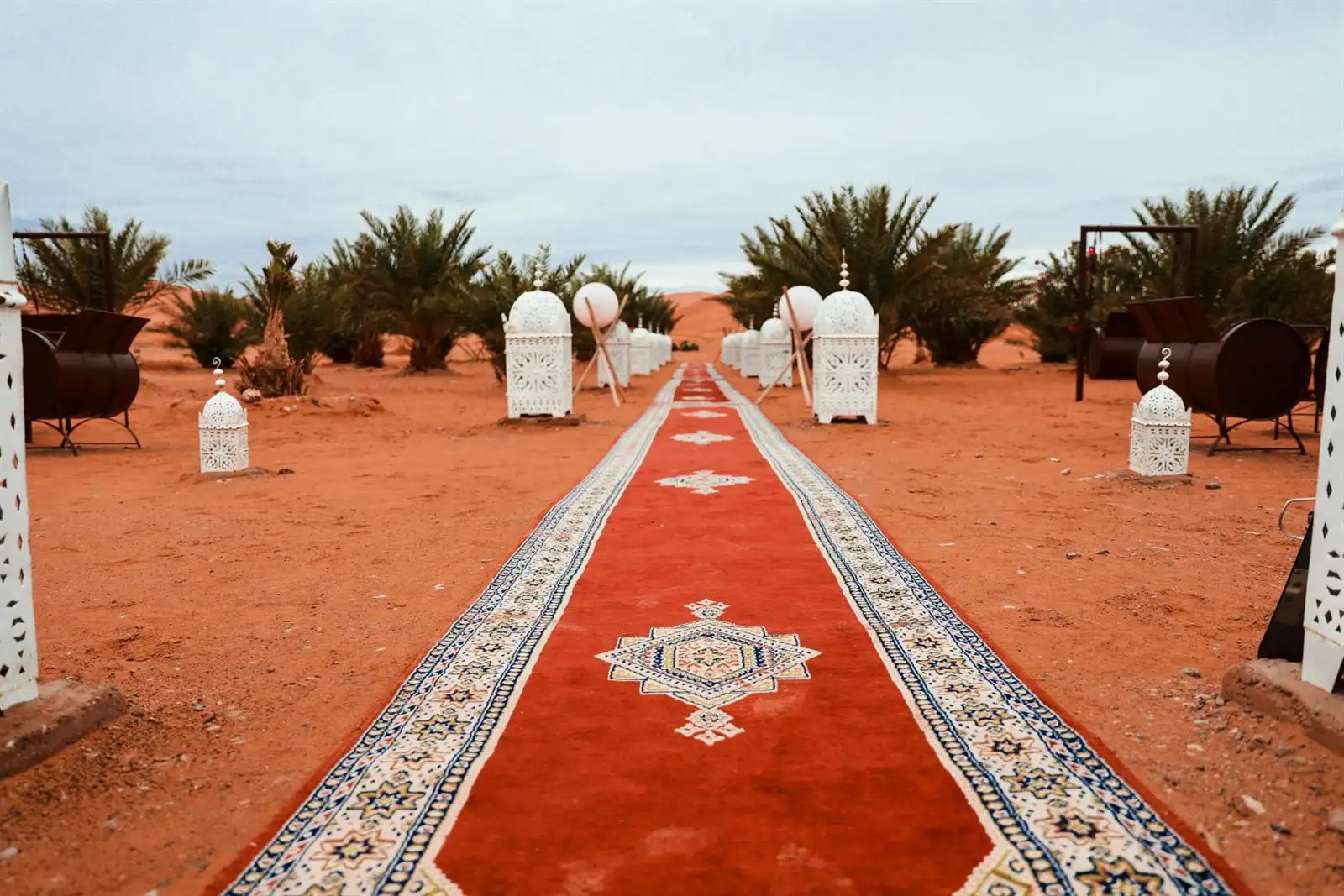
You can also cook. In a cooking class you shop for vegetables and spices in the market, then prepare salads, bread and a tagine with a Moroccan cook. Outside the cities, a meal with a Berber family in the Atlas or a dinner under the stars in Merzouga shows how simple ingredients become a feast.
 Best seasonAll year (evenings best in summer)
Why choose authentic culinary experiences in Morocco
Street food you would not find alone
Many of the best snacks have no sign and no menu. Our guides know which stall makes the freshest sfenj doughnuts, the best bissara soup or the slow-cooked tanjia of Marrakech.
Markets as a lesson
The souk explains the cuisine: preserved lemons, olives in every colour, ras el hanout mixed to order, fresh mint by the armful. You taste as you go and learn how to choose.
Cooking with real cooks
A cooking class shows you the order, the spices and the patience behind a good tagine, couscous or pastilla. You eat what you make and take the recipes home.
Regional flavours
Fes is known for refined city dishes, Marrakech for tanjia and street grills, Essaouira for fish, and the Atlas and desert for simple Berber cooking like madfouna, the stuffed bread of the south.
Tea is a ritual
Mint tea is poured from high to make foam, served sweet and offered to every guest. Sharing it is the first step of Moroccan hospitality.
Who is Morocco food tour for?
Food lovers
If you travel for flavours, this is the most memorable part of a Morocco trip.
Cautious eaters
Our guides choose busy, clean places with high turnover and never push you to try what you do not want.
Families and groups
A cooking class is a fun shared activity for all ages and works well for groups of friends.
Vegetarians
Morocco has many vegetable dishes. Tell us in advance and we adapt the tasting and the class. Strict vegans need a little more planning, which we are happy to do.
“You can also cook.”
— Our team in MoroccoHow it works
- Tell us your dates
Send us your dates, where you are staying and how many you are – on WhatsApp or by email.
- We plan it with you
We suggest the best time and option for authentic culinary experiences and send you a clear price.
- Meet our team
On the day, our team meets you and explains everything before you start.
- Enjoy every moment
Live the experience – and add more adventures to your trip if you like.
Ways to do it with us
Book it on its own, or as part of one of our itineraries.
Marrakech street food tour by night
From the medina’s small bakeries and grills to the evening stalls of Jemaa el-Fna, with a guide who knows each cook.
Ask us on WhatsApp →Market visit and Moroccan cooking class
Shop for produce and spices with a local cook, then prepare and eat a full Moroccan meal together.
Ask us on WhatsApp →Fes food walk in the old medina
Taste breads, olives, honey pastries and local snacks in the lanes of Fes el-Bali, one of the oldest medinas in the world.
Ask us on WhatsApp →5 Days in Marrakech Itinerary
A Marrakech-based week that leaves room for a food tour, a cooking class and a family lunch in the Atlas.
See the itinerary →A typical day
Times are approximate for a half-day market visit and cooking class; evening street-food walks usually start around sunset and last 3-4 hours.
- Meet your cook at the market
A short walk from your riad to the local food market.
- Shopping for the class
Choose vegetables, herbs and spices, and taste olives and breads as you go.
- Cooking class
Prepare Moroccan salads, a tagine and bread step by step with your cook.
- Lunch together
Eat what you cooked, with mint tea poured the traditional way.
- Recipes and goodbye
Take the recipes home and get tips on where to eat for the rest of your stay.
Where it happens
Authentic culinary experiences with us takes place in these parts of Morocco – tell us where you are staying and we suggest the closest option.
- 1Marrakech
- 2Fes
- 3Merzouga (Erg Chebbi)
- 4Essaouira
Useful information for Morocco food tour
What you will taste
Typical tastings include msemen and harcha breads, olives, harira soup, grilled kefta, sardines in Essaouira, Moroccan salads, almond pastries and mint tea. Marrakech tanjia, slow-cooked in clay jars in the hot ashes of a hammam furnace, is a highlight.
Eating safely
We choose busy places where food is cooked fresh in front of you. Drink bottled or filtered water, go easy on raw salads in the first days, and wash or sanitise your hands before eating with bread.
Allergies and diets
Nuts, sesame, gluten and dairy appear in many dishes. Tell us your allergies when you book, and your guide will check with each cook. Vegetarian tours are easy; strict vegan and gluten-free tours are possible with planning.
Table manners
Food is often shared from one dish. Eat with your right hand or use bread as a spoon, and eat from the part of the dish in front of you. Saying “bismillah” before the meal is appreciated.
Alcohol
Morocco is a Muslim country. Alcohol is served only in some licensed hotels, bars and restaurants, so it is not part of our food tours.
Before you book
- Allergies
- Nuts, sesame, gluten and dairy are common in Moroccan food – tell us any allergies when you book so we can check with each cook.
- Diets
- Vegetarian tours are easy; vegan, gluten-free or other diets are possible with a little planning, so please tell us in advance.
- Appetite
- Come hungry and skip a big meal before – there are many tastings.
- Alcohol
- Alcohol is not part of our food tours.
- Ramadan
- During Ramadan daytime tastings are limited; we move the tour to the evening ftour and night markets.
Best time for Morocco food tour
Food tours run all year. In summer we move street-food walks to the evening, when the medina is cooler and the grills are busiest. During Ramadan, daytime eating is quiet, but the evening ftour meal and night markets are a unique experience.
- JanGood
- FebGood
- MarBest
- AprBest
- MayBest
- JunGood
- JulPossible
- AugPossible
- SepBest
- OctBest
- NovBest
- DecGood
BestGoodPossibleAvoid
Request your authentic culinary experiences
Fill in the form and press send: your request comes straight to our team’s inbox (or WhatsApp, if you prefer) and we reply with the details and a clear price.
- No payment to send a request
- We adapt the option to you
- Or write to us: +212 600 643 098
Morocco food tour: 10 questions
What do you eat on a Morocco food tour?
Breads like msemen and harcha, olives, harira soup, grilled meat, salads, tagine or tanjia, pastries and plenty of mint tea. The exact tastings change with the city and the season. Your guide adapts to what you like.
Is a Marrakech street food tour safe?
Yes, when you go with someone who knows the cooks. We choose busy stalls where food is cooked fresh and hot in front of you. Avoid tap water and pre-cut fruit in the first days.
Is it safe to eat street food in Marrakech on your own?
Mostly, if you follow simple rules: eat where locals queue, choose food cooked hot, and drink bottled water. Many travellers do a food tour on their first evening to learn where to go alone later.
What is included in a cooking class in Marrakech?
Usually a market visit, the ingredients, a hands-on lesson with a Moroccan cook and the meal you prepare. You learn a starter, a main dish like a tagine and often bread or tea. Recipes are shared at the end.
Is Moroccan food spicy?
Not hot, but very spiced. Cumin, ginger, saffron, cinnamon and ras el hanout give warmth and aroma rather than heat. Harissa or chilli is usually served on the side for those who like it hot.
Is Moroccan food healthy?
Home cooking is built on vegetables, legumes, olive oil and slow-cooked meat, so it is quite balanced. Pastries and sweet tea are very sugary, so enjoy them as treats.
Is Morocco good for vegetarians?
Yes. Vegetable tagines, couscous with seven vegetables, lentil and bean dishes, salads and breads are everywhere. Some dishes use meat stock, so ask, or let us arrange a vegetarian food tour where the guide checks for you.
Is Moroccan food halal?
Yes, meat sold in Morocco is halal, and pork is very rare. Muslim travellers can eat freely on our food tours.
Can I do a Moroccan food tour in Fes?
Yes. Fes is one of the best food cities in Morocco, with old bakeries, honey and olive stalls and refined city dishes like pastilla. A half-day walk in Fes el-Bali fits well into a Marrakech to Fes tour.
Can a Morocco food tour be added to a desert or trekking trip?
Yes. Many guests add a food walk in Marrakech or Fes and a family lunch in an Atlas village to an active itinerary. In Merzouga, dinner at the desert camp is part of the experience.
Combine it with
Two experiences in one trip – our favourite pairings.
+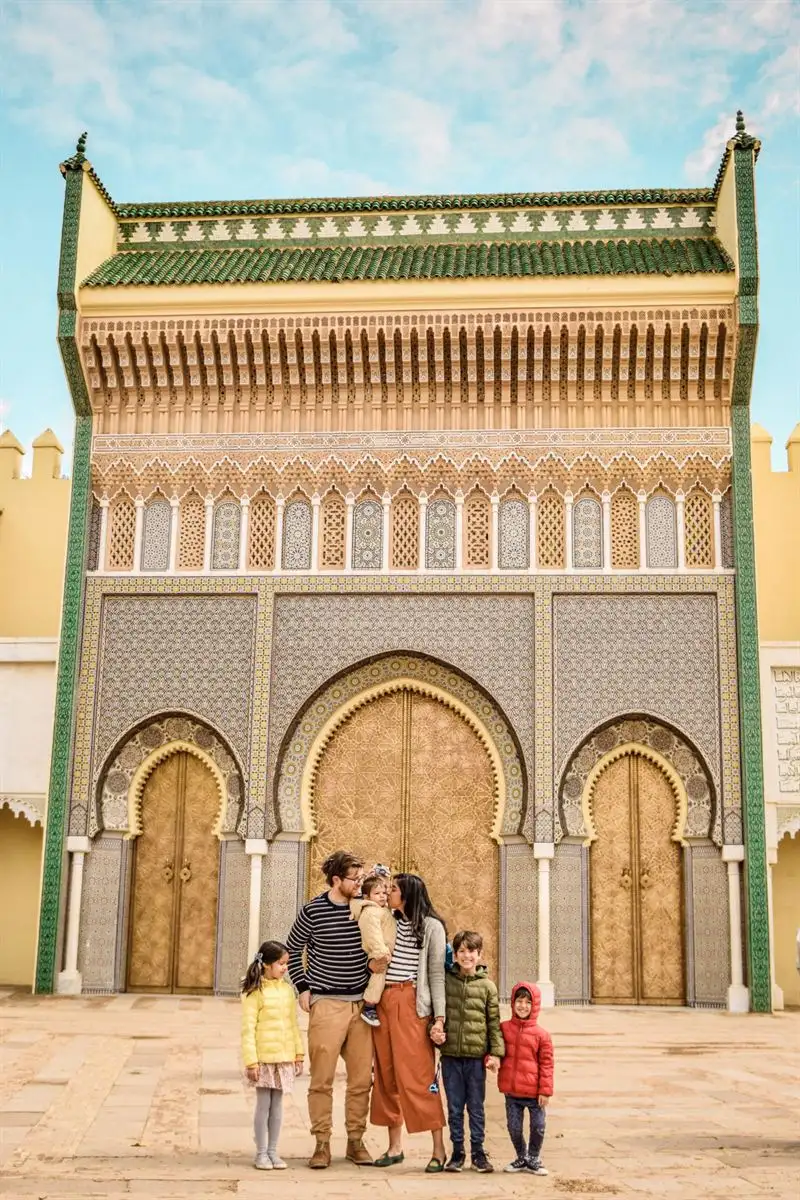 Authentic culinary experiences + Cultural explorationA guided medina walk in the morning, then a street-food tour in the same city in the evening.See cultural exploration →+
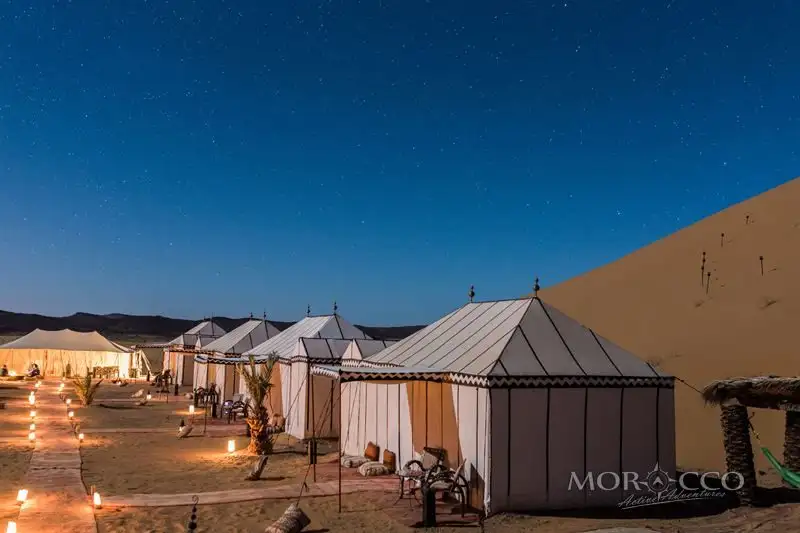 Authentic culinary experiences + Desert camping & stargazingLearn tagine in Marrakech, then taste Berber cooking and madfouna at a desert camp in Merzouga.See desert camping & stargazing →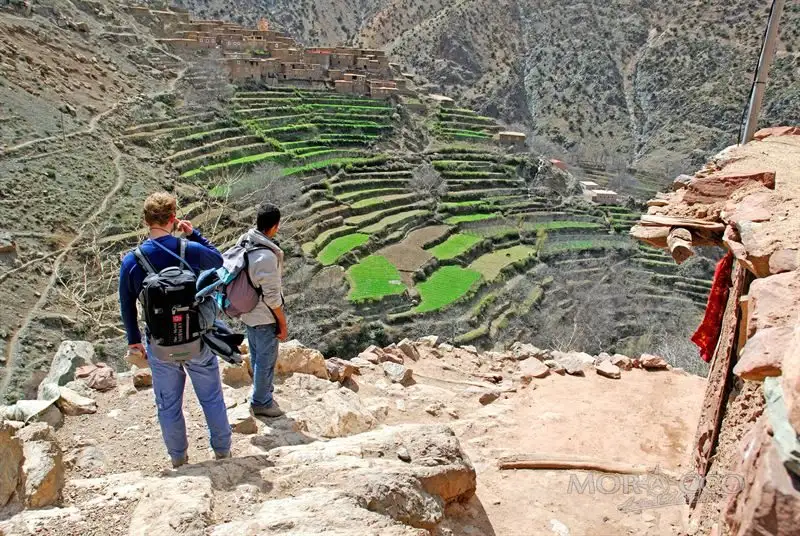
Add authentic culinary experiences to your trip
Tell us your dates and where you are staying – we organise everything with you.