
Hiking Morocco: Atlas Treks, Gorges & Sahara Walks
Hiking Morocco with local mountain guides: Atlas Mountains day hikes from Marrakech, Toubkal treks, Dades and Todra gorge walks and Sahara treks.
Hiking Morocco
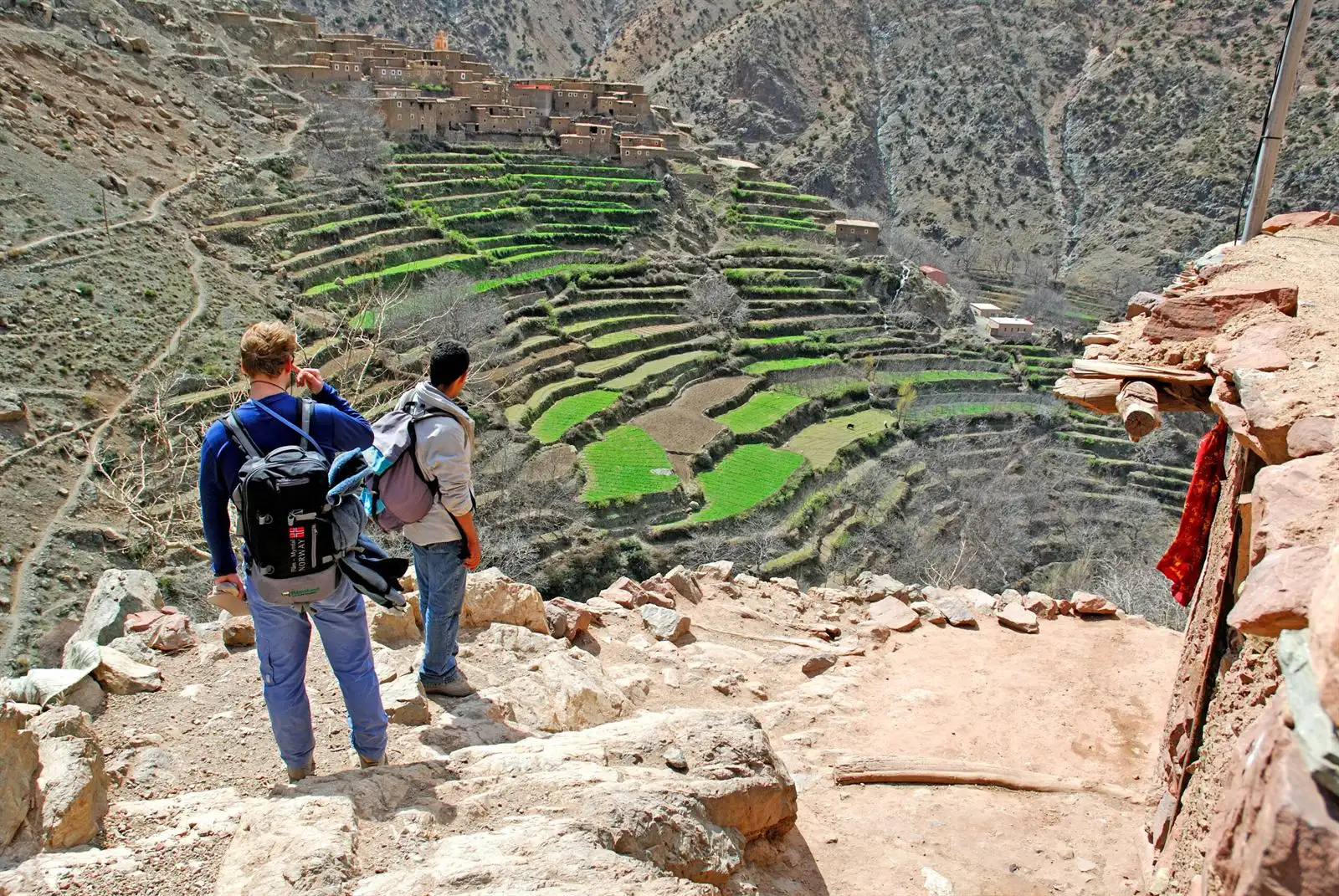
Hiking Morocco’s High Atlas is a walk through a lived-in landscape: terraced fields, walnut trees, flat-roofed Berber villages built from the same red earth as the mountains, and mule paths that people still use every day. Our local mountain guides grew up around these valleys. They choose the route, set a steady pace and arrange lunch or a night in a village house.
Beyond the Atlas there is much more: day hikes in the Imlil and Ourika valleys from Marrakech, the classic climb of Toubkal, North Africa’s highest peak, walks in the Dades and Todra gorges, and slow treks across the Sahara dunes with a camel caravan carrying the bags. Tell us your level and we will match the route.
 Best seasonMarch to June, September to November
Why choose hiking & trekking adventures in Morocco
Real mountains near Marrakech
The High Atlas starts about an hour from the city, so you can hike in the mountains and sleep in your riad the same night.
Toubkal, the big one
At 4,167 m, Jebel Toubkal is the highest summit in North Africa – a non-technical but demanding climb for fit hikers.
Village life on the trail
Paths link villages, so you pass farmers, mule trains and children going to school. Lunch in a family home is often the highlight.
Gorges and desert too
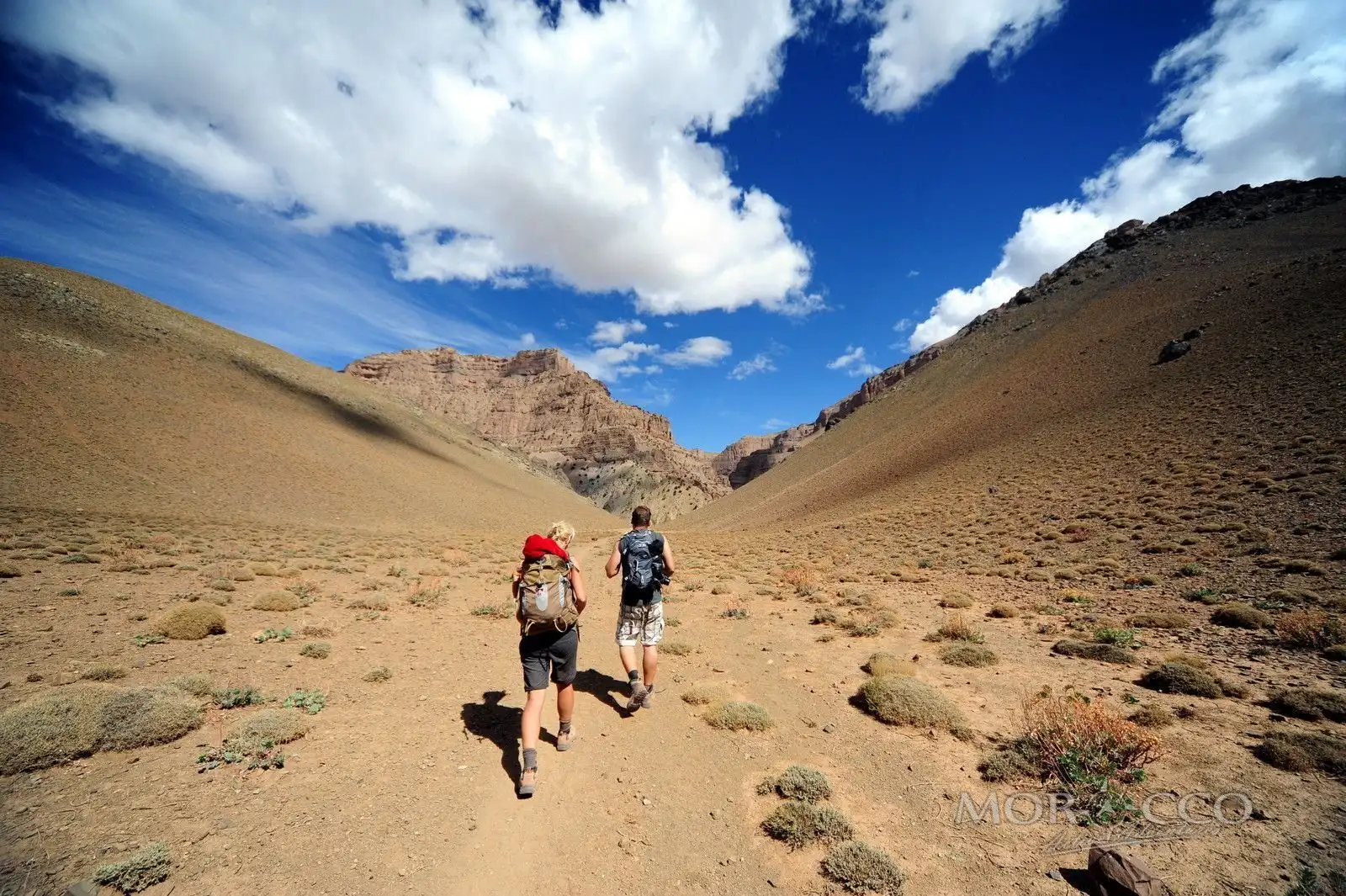
Walk between the tall red walls of the Todra and Dades gorges, or cross the Erg Chebbi dunes on foot.
Local guides
Our guides speak the local Amazigh language as well as English or French, which opens doors and conversations along the way.
Who is hiking in Morocco for?
Day hikers
Easy to moderate valley walks from Marrakech, with a few hours on the trail and lunch in a village.
Peak baggers
Fit hikers who want a summit: Toubkal over two or more days, with a night at a mountain refuge.
Families
Shorter routes with mules to carry bags (and tired kids). Note that Toubkal is not suitable for young children.
Slow travellers
Multi-day treks between villages or across the dunes, sleeping in guesthouses or camps. Not ideal if you have serious knee problems – descents are long.
“Beyond the Atlas there is much more: day hikes in the Imlil and Ourika valleys from Marrakech, the classic climb of Toubkal, North Africa’s highest peak, walks in the Dades and Todra gorges, and slow treks across the Sahara dunes with a camel caravan carrying the bags.”
— Our team in MoroccoHow it works
- Tell us your dates
Send us your dates, where you are staying and how many you are – on WhatsApp or by email.
- We plan it with you
We suggest the best time and option for hiking & trekking adventures and send you a clear price.
- Meet our team
On the day, our team meets you and explains everything before you start.
- Enjoy every moment
Live the experience – and add more adventures to your trip if you like.
Ways to do it with us
Book it on its own, or as part of one of our itineraries.
Atlas valley day hike from Marrakech
Walk through Berber villages and terraces in the Imlil or Ourika valley, with lunch in a local house.
Ask us on WhatsApp →4-Day Atlas Mountains Trek
Village-to-village trekking in the High Atlas, nights in guesthouses, mules for the luggage.
See the itinerary →Toubkal Trek
Trek through the valleys and climb Jebel Toubkal, the highest peak in North Africa.
See the itinerary →Sahara Desert Trekking
Walk across the dunes and desert tracks with a camel caravan and sleep in nomad-style camps.
See the itinerary →A typical day
This is a typical Atlas valley day hike from Marrakech; times are approximate and change with the season, and multi-day treks follow a Day 1, Day 2 plan we send you.
- Pick-up in Marrakech
We collect you from your riad or hotel and drive to the High Atlas.
- Meet your mountain guide
Your guide explains the route and checks your shoes and daypack.
- Morning walk through the valley
Mule paths, walnut trees and terraced fields between Berber villages.
- Lunch in a village house
A home-cooked lunch and mint tea with a local family.
- Afternoon walk back
A different path down the valley to meet the vehicle.
- Back in Marrakech
Drop-off at your accommodation.
Where it happens
Hiking & trekking adventures with us takes place in these parts of Morocco – tell us where you are staying and we suggest the closest option.
- 1Toubkal
- 2Marrakech
- 3Imlil
- 4Ourika Valley
- 5Dades Valley
- 6Todra Gorge
- 7Merzouga (Erg Chebbi)
Useful information for hiking in Morocco
What a trekking day looks like
You walk at a steady pace for most of the day with breaks for water, photos and a long lunch. Mules carry the luggage on multi-day treks, so you only need a daypack. Nights are in village guesthouses, mountain refuges or camps.
Altitude and fitness
Toubkal and the high passes are above 3,000 m, where breathing feels harder and headaches are possible. Walk slowly, drink often and tell your guide early if you feel unwell. Regular walking or hiking before your trip makes a big difference.
Snow and winter
From December to March the high Atlas often has snow and ice. Toubkal in winter needs crampons, an ice axe and experience, so we only plan it with the right equipment and conditions. Lower valley walks are fine most of the year.
Respect on the trail
Dress modestly in villages – shoulders and knees covered – and ask before taking photos of people. Take your rubbish back down; there is little waste collection in the mountains.
Pick-up and logistics
We pick you up in Marrakech and drive to the trailhead. On multi-day treks we arrange guides, mules, cooks where needed and accommodation.
Before you book
- Fitness
- Tell us how often you walk or hike, so we match the route – Toubkal needs good fitness and some hiking experience.
- Health
- Long descents are hard on the knees, and altitude can affect some people – tell us about any health problems before booking.
- Children
- Valley walks suit families; Toubkal is not suitable for young children – tell us everyone’s age.
- Season
- From December to March the high Atlas often has snow, so some routes need winter equipment – we confirm with you.
- Footwear
- Broken-in hiking boots or good trail shoes are needed; new boots often cause blisters.
Best time for hiking in Morocco
Spring (March to June) and autumn (September to November) are the best months for hiking in Morocco – clear days, mild temperatures and green valleys in spring. Summer is good at altitude but hot in the lower valleys. Winter brings snow to the high peaks; low valley walks are still possible.
- JanPossible
- FebPossible
- MarGood
- AprBest
- MayBest
- JunBest
- JulPossible
- AugPossible
- SepBest
- OctBest
- NovGood
- DecPossible
BestGoodPossibleAvoid
Request your hiking & trekking adventures
Fill in the form and press send: your request comes straight to our team’s inbox (or WhatsApp, if you prefer) and we reply with the details and a clear price.
- No payment to send a request
- We adapt the option to you
- Or write to us: +212 600 643 098
Hiking in Morocco: 10 questions
Is hiking in Morocco safe?
Yes, with a local guide and the right season. The main risks are the weather, altitude and getting lost on unmarked paths, which a guide manages for you. Mountain villages are welcoming and used to hikers.
Where is the best hiking in Morocco?
The High Atlas is the best area, especially around Imlil and the Toubkal massif and the Ourika valley. The Dades and Todra gorges are great for shorter walks, and the Merzouga dunes offer desert trekking.
Can you go hiking in the Atlas Mountains from Marrakech?
Yes. Valley hikes in Imlil or Ourika are easy day trips from Marrakech, with about an hour’s drive each way. For Toubkal or village-to-village treks, plan two days or more.
What is the best month for hiking in Morocco?
April, May, September and October are usually the best. March and November are good with warmer layers, while December to February can bring snow in the high mountains.
Can you hike in Morocco in winter?
Yes. Lower valley walks around Marrakech work well in winter, with crisp clear days. High routes and Toubkal often have snow and need winter equipment and experience.
Do I need a guide for hiking in Morocco?
For the Toubkal National Park area, hiring a local guide is required for foreign hikers. Elsewhere, paths are often unmarked, and a guide makes the route, the language and village stays much easier.
How hard is the Toubkal trek?
It is non-technical in summer but demanding: long climbs, altitude above 4,000 m and an early start on summit day. Good fitness and some hiking experience are needed.
What should I wear for hiking in Morocco?
Wear comfortable hiking boots, layers you can add and remove, and modest clothes that cover shoulders and knees in villages. Bring a warm layer even in summer – mountain evenings are cold.
Is there desert trekking in Morocco?
Yes. You can walk across the Erg Chebbi dunes near Merzouga with a camel caravan carrying the bags, sleeping in desert camps. It is slow, quiet and very different from mountain hiking.
Can families go hiking in Morocco?
Yes. Valley walks with mules to carry bags and tired children work very well. Choose shorter days and stay in village guesthouses – kids often love the animals and farm life.
Combine it with
Two experiences in one trip – our favourite pairings.
+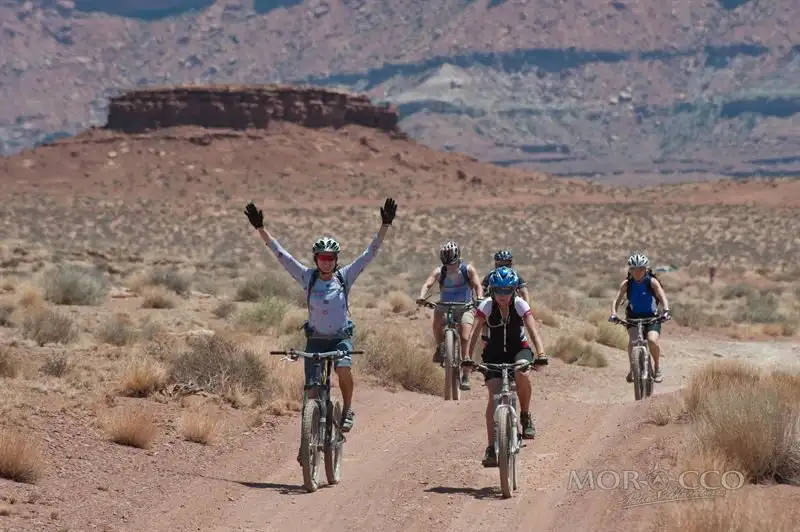 Hiking & trekking adventures + Cycling & mountain bikingHike between Atlas villages one day, then ride the same valleys by mountain bike.See cycling & mountain biking →+
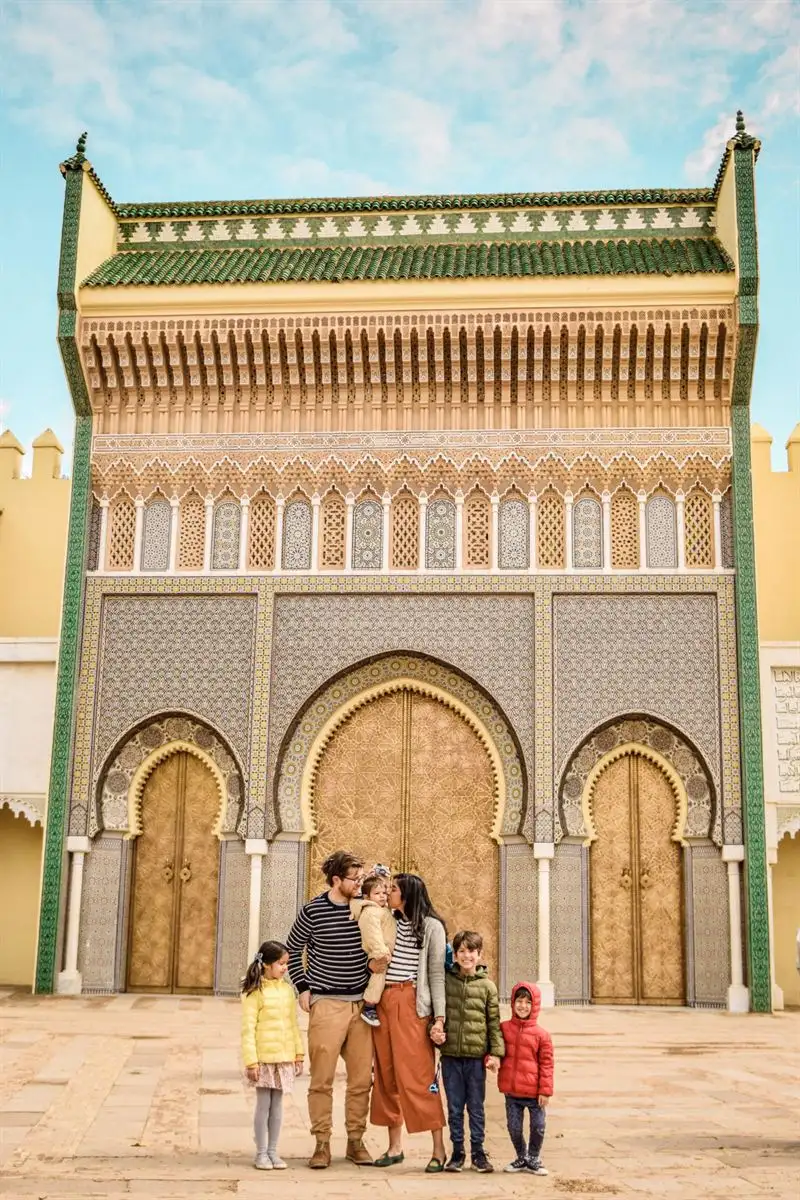 Hiking & trekking adventures + Cultural explorationAdd a guided visit of the Marrakech medina before or after your days in the mountains.See cultural exploration →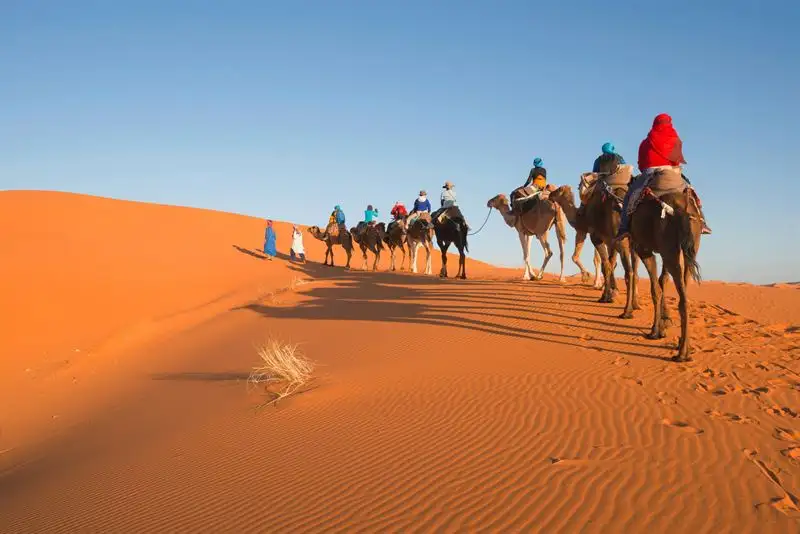
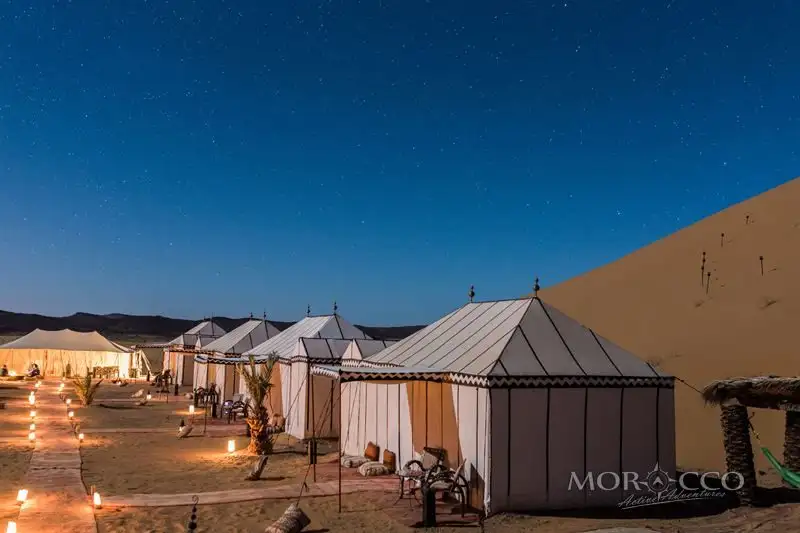
Add hiking & trekking adventures to your trip
Tell us your dates and where you are staying – we organise everything with you.